.png)
Understanding Menopause. What Most Women Were Never Told
- Seema Sharma

- Mar 25, 2025
- 4 min read
Updated: Mar 27
Not sure what’s suddenly happening to your body? Wondering if you’re in menopause or perimenopause? What's the difference? If you're feeling confused by it all, you’re not alone and you’re in the right place. Menopause isn’t an ending; it’s a natural, biological transition.
Most of us were never taught what menopause actually is, let alone how to spot the signs when they first show up. We worry about if it is stress, ageing, or something else entirely. Here you will get clear answers. No fear, no shame. Menopause isn’t a weakness or illness. It's a natural phase in life, not a medical failure or something to “fix.” It marks the time when your periods stop for good (after 12 months). The lead-up to this day is perimenopause and can begin years earlier.

Maybe you’ve noticed changes like trouble sleeping, unexpected anxiety, heavier or irregular periods, or your skin reacting differently. A sense that something just feels off. It’s easy to blame stress, our mental health or aging, but these can also be signs of perimenopause when your hormones shift and symptoms start.
So many of us go through this not even realising what’s happening because no one prepared us for it. The sooner you understand what’s going on in your body, the sooner you can make choices that support you.
But Why Didn’t Anyone Tell Us?
This is a really interesting time for women's health. There’s been an explosion of awareness on the menopause front and rightly so. For far too long, we’ve been offered advice based on research done on men. But now, more women are stepping into leadership, research, and advocacy roles. We’re rewriting the narrative, asking the right questions, and demanding better. Our voices and our lived experiences are finally starting to be heard.
That means better research, better treatment options, and a more human, holistic approach to support.

Why Understanding Menopause Matters
What if midlife was met with curiosity rather than fear? What if you saw it as a chance to let go of what no longer serves you and step into the next version of yourself, stronger, freer, wiser? The more you understand your body, the more you can work with it. You are not broken. You don’t need fixing. This is about honouring who you are becoming and making choices that reflect that. Let’s move from confusion to clarity and let go of things that no longer serve us. Hormones influence far more than our reproduction system. They interact with the brain, the nervous system, sleep patterns and metabolism. Which is why the changes can feel so wide-ranging.

Menopause Symptoms Are Real and Valid
Sleepless nights. Hot flashes. Mood swings. Unexpected tears. Juggling work, family, and your own needs while your body seems to play by new rules. For too long, menopause has been brushed aside or treated as something to endure quietly. But you don’t have to go through this alone or feel confused, frustrated, or embarrassed.
I’m here to help you understand what’s happening and offer tools and support so you can feel steady and confident, wherever you are in this transition.
Menopause Is Personal, Powerful, and Full of Possibility
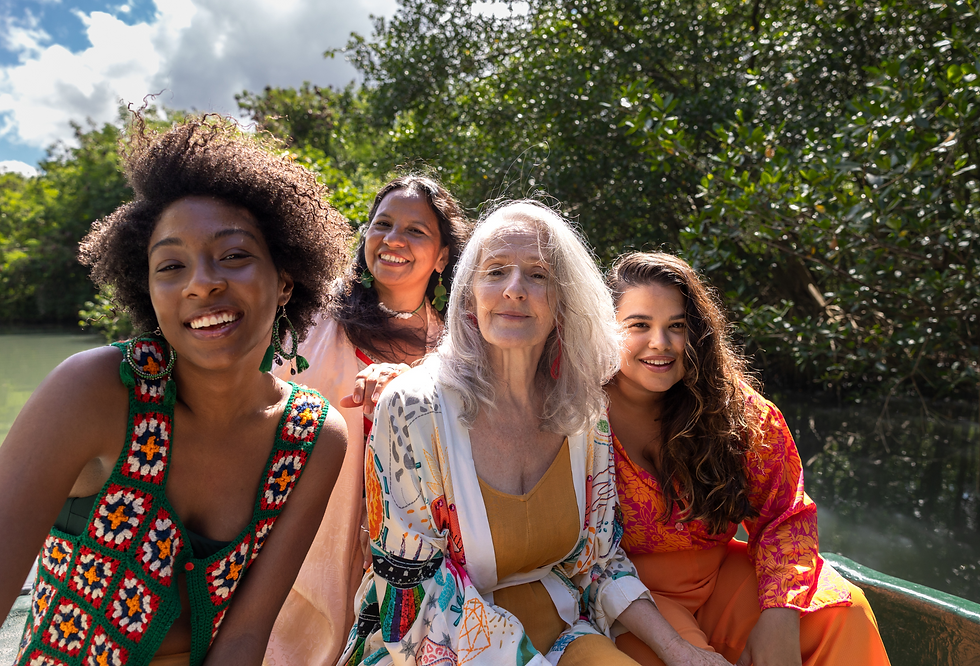
The journey will not be the same for everyone. It’s layered, complex, and uniquely shaped by our identities, cultures, medical history, access to healthcare, and even our support systems. For some, it’s barely a blip. For others, it’s life-altering. Yet too often, our experiences are overlooked, misunderstood, or dismissed. There’s no one-size-fits-all approach here. At THHN, you’ll find a community that respects the richness and diversity of your experience, offering real information, practical tools, and support that reflects where you are right now.
Race & Ethnicity: Research shows menopause can start earlier or present differently depending on background, yet much of the research still overlooks this.
Disabilities & Chronic Illness: If you’re managing a disability or a long-term condition, menopause can add another layer, one that most doctors don’t talk about or understand how to manage.
Trans & Non-Binary Experiences: If you’re a transgender man or non-binary person who still has ovaries, menopause can look different, especially if you’re on hormone therapy. But clear, affirming support? It’s often missing.
So much of what we’ve been told is based on a narrow, one-size-fits-all narrative.
Your experience matters and your symptoms are valid.
Let’s Change the Menopause Story
Menopause doesn’t need to be feared or hidden. It’s a time to release old patterns, be open to new possibilities, and fully step into who you are. You deserve to feel informed, supported, and uplifted. At THHN, you’ll find knowledge, tools, and a welcoming space to help you take charge of your journey.
How The Hormone Harmony Network Supports You
It’s why I created The Hormone Harmony Network. A space designed for women to understand what’s going on in our bodies, make sense of the changes, and feel supported every step of the way. Menopause is not a taboo topic here. It’s a natural stage of life that deserves care and attention. Here’s what you’ll find:
Unbiased, evidence-based information on nutrition, exercise, supplements, stress, and emotional well-being
A safe, supportive community where you can ask questions, share stories, and feel understood
Real tools and strategies to help you feel more like yourself AND celebrate it
Ready to Get Started?
You don’t have to figure this out alone.


Comments